The Link Between Diabetes and Heart Disease
Diabetes is one of the fastest-growing health concerns worldwide, affecting millions of people every year. While many people associate diabetes with high blood sugar levels, its impact extends far beyond glucose control. One of the most serious complications of diabetes is an increased risk of heart disease.
People with diabetes are two to four times more likely to develop cardiovascular disease than those without diabetes. High blood sugar can damage blood vessels and nerves over time, making the heart more vulnerable to conditions such as heart attacks, stroke, heart failure, and coronary artery disease.
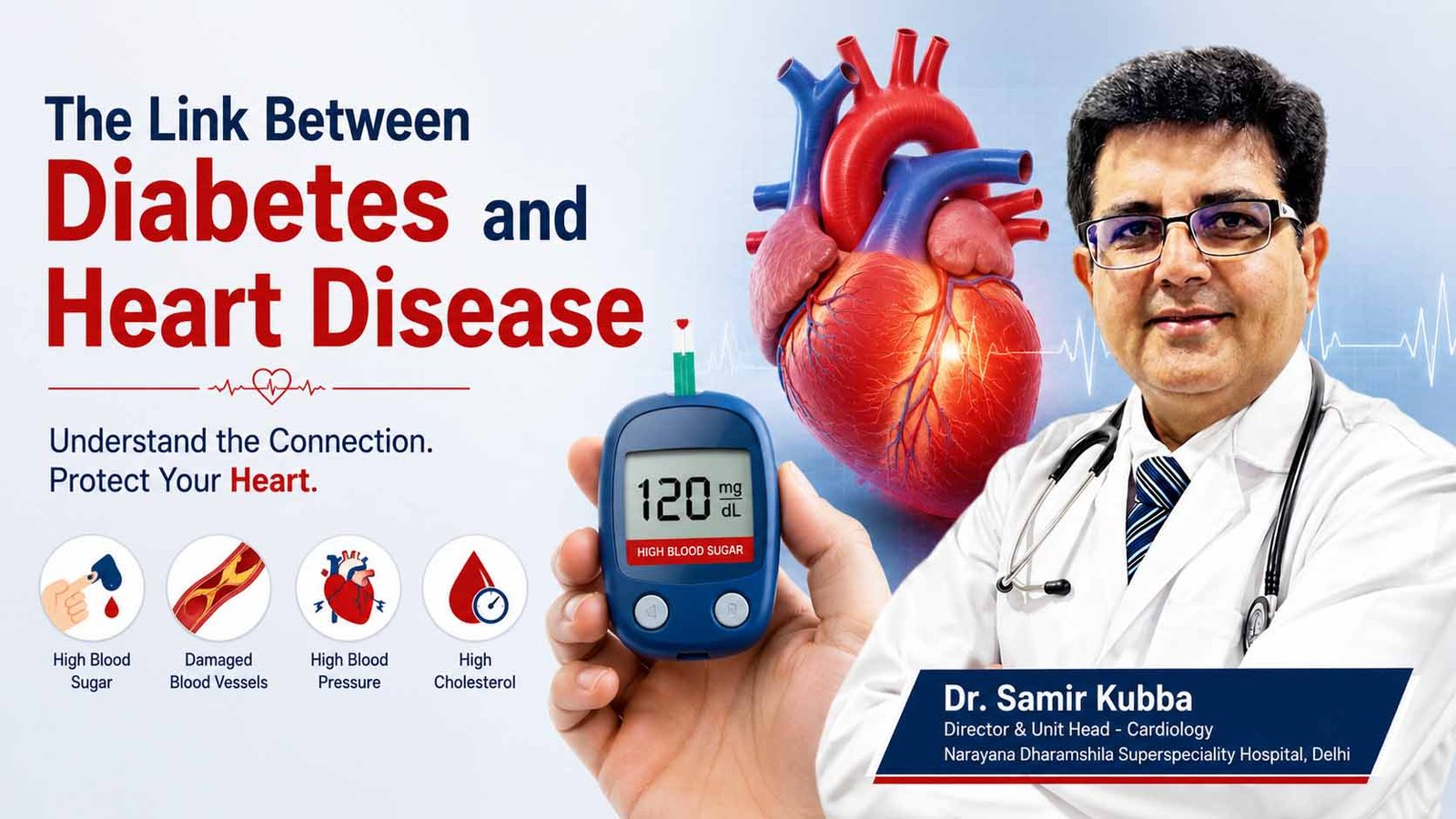
In this blog, Dr. Samir Kubba, Director & Unit Head of Cardiology at Narayana Dharamshila Superspeciality Hospital, Delhi, explains the connection between diabetes and heart disease, risk factors, warning signs, prevention strategies, and treatment options.
Understanding Diabetes
Diabetes is a chronic condition in which the body either does not produce enough insulin or cannot effectively use the insulin it produces. Insulin helps regulate blood sugar levels by allowing glucose to enter the body's cells for energy.
The two most common types are:
Type 1 Diabetes
An autoimmune condition in which the pancreas produces little or no insulin.
Type 2 Diabetes
The most common form of diabetes, usually associated with obesity, physical inactivity, poor diet, and genetics.
Over time, uncontrolled diabetes damages blood vessels throughout the body, including those that supply the heart.
How Does Diabetes Affect the Heart?
Persistently high blood sugar damages the lining of blood vessels, leading to inflammation and plaque formation. This process narrows the arteries, reducing blood flow to the heart.
Diabetes also contributes to:
- High blood pressure
- High cholesterol
- Obesity
- Increased blood clot formation
- Damage to nerves controlling the heart
Together, these factors significantly increase the risk of cardiovascular disease.
Why Are Diabetic Patients at Higher Risk of Heart Disease?
Several factors make heart disease more common among people with diabetes.
High Blood Sugar
Excess glucose damages arteries, making them stiff and narrow.
High Blood Pressure
Many diabetic patients also have hypertension, forcing the heart to work harder.
High Cholesterol
Diabetes often causes unhealthy cholesterol levels, promoting plaque buildup inside coronary arteries.
Obesity
Excess body weight increases insulin resistance and places additional strain on the heart.
Chronic Inflammation
Diabetes causes persistent inflammation, accelerating atherosclerosis (hardening of the arteries).
Kidney Disease
Diabetic kidney disease further increases cardiovascular risk.
Heart Diseases Commonly Associated with Diabetes
People with diabetes are more likely to develop:
Coronary Artery Disease (CAD)
The coronary arteries become narrowed due to plaque buildup, reducing blood flow to the heart muscle.
Heart Attack
Blocked coronary arteries can cause a myocardial infarction (heart attack), which may even occur without obvious symptoms in diabetic patients.
Heart Failure
The heart becomes weak and unable to pump blood effectively.
Stroke
Blocked or damaged blood vessels in the brain can lead to stroke.
Peripheral Artery Disease (PAD)
Reduced blood flow to the legs increases the risk of pain, ulcers, and infections.
Warning Signs You Should Never Ignore
Seek immediate medical attention if you experience:
- Chest pain or pressure
- Shortness of breath
- Pain radiating to the jaw, neck, shoulder, or arm
- Sudden sweating
- Extreme fatigue
- Dizziness
- Irregular heartbeat
- Swelling in the legs or feet
Important: Diabetic patients may experience a silent heart attack, with only mild symptoms such as fatigue, nausea, or breathlessness.
Who Is at Greatest Risk?
Your risk increases if you have:
- Diabetes for more than 10 years
- Poor blood sugar control
- High blood pressure
- High cholesterol
- Smoking habit
- Obesity
- Sedentary lifestyle
- Family history of heart disease
- Kidney disease
- Age above 45 years
How Is Heart Disease Diagnosed in Diabetic Patients?
Early diagnosis can prevent serious complications.
Your cardiologist may recommend:
Electrocardiogram (ECG)
Detects abnormal heart rhythms and evidence of previous heart attacks.
Echocardiography (2D Echo)
Assesses heart structure and pumping function.
Treadmill Test (TMT)
Evaluates blood flow to the heart during exercise.
Blood Tests
These may include:
- Blood sugar (HbA1c)
- Lipid profile
- Kidney function
- Cardiac biomarkers (if a heart attack is suspected)
Coronary CT Angiography or Coronary Angiography
Used to identify narrowed or blocked coronary arteries.
How to Reduce Your Risk of Heart Disease
The good news is that heart disease is largely preventable with proper diabetes management.
Control Blood Sugar
Aim to maintain your HbA1c within the target range recommended by your doctor.
Manage Blood Pressure
Keeping blood pressure under control reduces stress on the heart.
Lower Cholesterol
Statin therapy and a heart-healthy diet can reduce plaque buildup.
Follow a Healthy Diet
Choose foods rich in:
- Fruits
- Vegetables
- Whole grains
- Lean proteins
- Healthy fats
- Fiber
Limit:
- Sugar
- Salt
- Fried foods
- Processed foods
- Sugary beverages
Exercise Regularly
Aim for at least 150 minutes of moderate physical activity per week, unless advised otherwise by your doctor.
Maintain a Healthy Weight
Even modest weight loss can improve blood sugar and reduce cardiovascular risk.
Quit Smoking
Smoking significantly increases the risk of heart attack and stroke.
Manage Stress
Practice meditation, yoga, deep breathing, or other relaxation techniques.
Get Regular Heart Check-ups
Routine cardiac screening is essential, especially if you have diabetes for several years.
Treatment Options
Treatment depends on your individual condition and may include:
Lifestyle Modification
The foundation of diabetes and heart disease management.
Medications
Your doctor may prescribe:
- Blood sugar-lowering medications
- Blood pressure medications
- Cholesterol-lowering drugs (Statins)
- Antiplatelet therapy
- Blood thinners (when indicated)
Coronary Angioplasty
If significant coronary artery blockage is detected, angioplasty with stent placement may restore blood flow.
Coronary Artery Bypass Surgery (CABG)
Recommended in selected patients with multiple blocked arteries.
Why Regular Cardiac Screening Matters
Many diabetic patients develop heart disease without noticeable symptoms. Regular check-ups help detect problems before they become life-threatening.
A preventive heart evaluation may include:
- ECG
- 2D Echo
- TMT
- Lipid profile
- Blood pressure assessment
- Blood sugar evaluation
- Coronary imaging when necessary
Why Choose Dr. Samir Kubba?
Dr. Samir Kubba is one of Delhi's leading interventional cardiologists with extensive experience in diagnosing and treating heart disease in diabetic patients.
His expertise includes:
- Preventive cardiology
- Coronary angiography
- Coronary angioplasty
- Heart attack management
- Hypertension treatment
- Cholesterol management
- Comprehensive heart risk assessment
- Personalized cardiac care
With a patient-first approach and advanced cardiac expertise, Dr. Kubba focuses on preventing complications and improving long-term heart health.
Frequently Asked Questions (FAQs)
Can diabetes cause a heart attack?
Yes. Diabetes damages blood vessels and increases plaque buildup, significantly raising the risk of heart attack.
Why do diabetic patients have silent heart attacks?
High blood sugar can damage nerves, reducing the ability to feel chest pain during a heart attack.
Can heart disease be prevented if I have diabetes?
Yes. Good blood sugar control, healthy lifestyle habits, medications, and regular heart check-ups greatly reduce the risk.
How often should diabetic patients get a heart check-up?
Most adults with diabetes should undergo regular cardiovascular evaluations. Your cardiologist will recommend the appropriate frequency based on your risk profile.
Is exercise safe for diabetic heart patients?
Yes, but it should be done under medical guidance, especially if heart disease is already present.
Conclusion
Diabetes and heart disease are closely connected, making cardiovascular health a top priority for every person living with diabetes. High blood sugar, hypertension, high cholesterol, and unhealthy lifestyle habits can silently damage the heart over time, often without obvious symptoms.
The good news is that early diagnosis, proper diabetes management, regular heart screenings, and healthy lifestyle changes can significantly reduce the risk of heart attack, stroke, and heart failure.

 Jan 2, 2024